
How Shifting Your Mindset from Treating Design as Just a Job to a Passion-Driven Journey Helped You Grow Exponentially.
Introduction:
Design isn’t something you just clock in and out of. It’s a mindset, a passion, and a way of seeing the world. If you treat design just like any other job, you’re missing out on the real power it holds—the creativity that drives innovation and pushes you to think outside the box.
Three years ago, I was exactly like that. I didn’t know the first thing about design principles, and my work felt flat and uninspired. I thought design was just a way to earn money, something you do until the day is done. But then I learned something simple that changed everything: "If you see design as just a job, you limit your creative potential."
At first, I didn’t fully understand what that meant. But slowly, I started to see design differently. I stopped thinking of it as just a task to complete by the end of the day. I began to see it as an opportunity to learn, grow, and push my boundaries.
And that’s when things began to change. The more I immersed myself in design, the more my creativity flowed. I didn’t consider myself a great designer—far from it. I stopped comparing myself to others and started competing with the version of me from yesterday. Every day, I focused on getting a little bit better. I wasn’t designing just to meet a deadline—I was designing with passion. And over time, I saw massive growth.
The Wake-Up Call: From Clueless to Conscious Design:
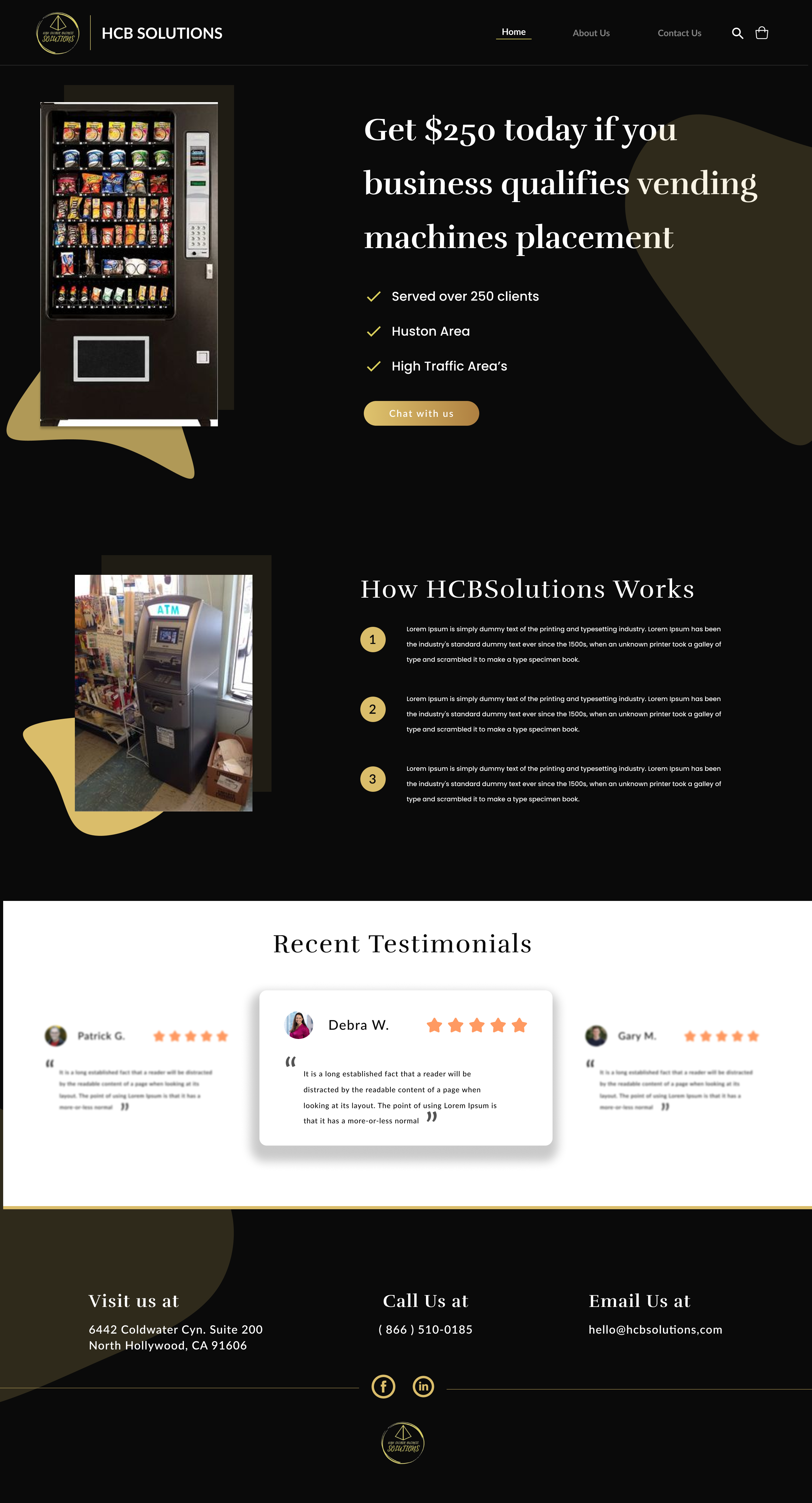
I’m sharing this image not to show off, but to look back at where I started. This was my first design, which I submitted during an interview. At that time, I thought design was easy. I didn’t know about typography, colour schemes, basic principles, prototyping, or auto-layout. I just copied a few websites and thought that would be enough.
But looking back now, I realize, as bitterly true as it is, I was completely wrong. At that time, I didn’t understand the first thing about typography—how type choices affect readability, hierarchy, and mood. I ignored colour theory, randomly picking colours without considering contrast, harmony, or emotional impact. I had no clue about visual hierarchy, leading to a cluttered and confusing layout. Prototyping was a foreign concept to me, and I thought design was just about static screens rather than interactive user experiences.
Looking back, I wasn’t designing—I was decorating. And decoration without function is meaningless in design.
The Turning Point:
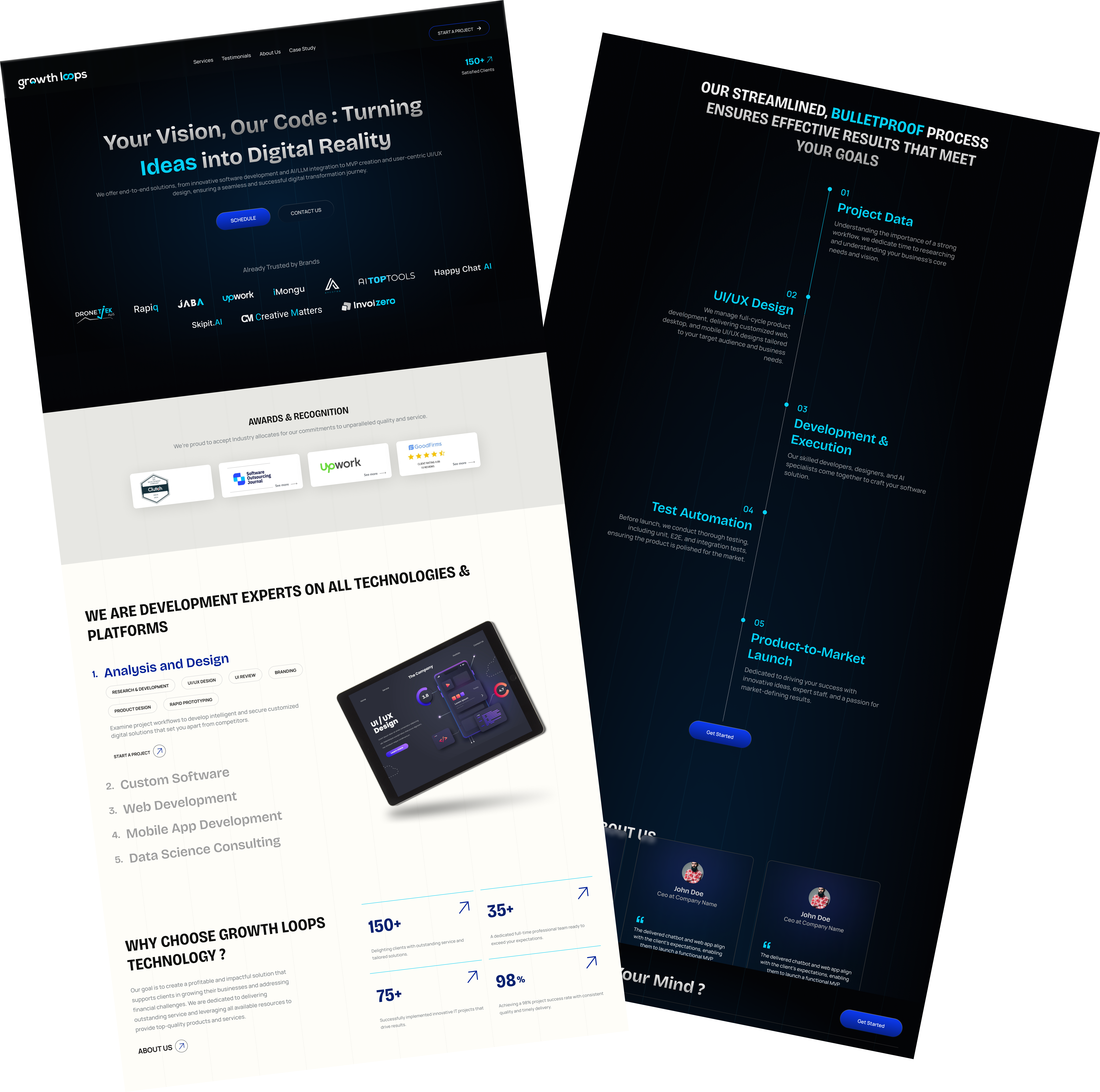
Failing that interview was a wake-up call for me. I realized how much I had to learn. I realized something crucial: design isn’t about making things pretty—it’s about making things work. That failure was my turning point. It pushed me to stop just “doing” design and start “understanding” it. I began practicing daily, studying what other designers were doing, and implementing those lessons in my own creative process. I focused on the basics, learning design principles, and challenging myself to improve.
Every time I look at that first design, I hear a voice in my head, not criticizing, but reminding me of how far I’ve come. It keeps me motivated to keep improving and never settle for less. I’m not sharing this to praise myself, but to remind myself and others that no matter where you start, it’s the effort and learning that matter most. The second image shows how far I’ve come—how much I’ve learned, what I’ve created, and how much I’ve grown. Each piece I make now is the result of sticking with the basics and always pushing myself to get better.
What Changed? Learning to See Like a Designer-
Grasping the Power of Visual Hierarchy

One of the first things I corrected was visual hierarchy—the way elements are arranged to guide the user’s eye. My early designs lacked structure, making it difficult for users to know where to focus. I started studying spacing, contrast, and scale, ensuring that the most important elements stood out. A simple trick I learned was the squint test—if you squint at a design and can’t tell what’s most important, then the hierarchy is weak.
Embracing the Science of Colour Theory

Colour isn’t just about aesthetics—it conveys emotions and guides user perception. Extracting the hex codes from different parts of the image, you can see something profound: nature already holds the perfect colour schemes. The way the sky fades into the mountain, how the shadows interact with the greens—these natural transitions follow the same principles of colour harmony and contrast that designers struggle to create manually.
Learning That White Space Is Power, Not Empty Space
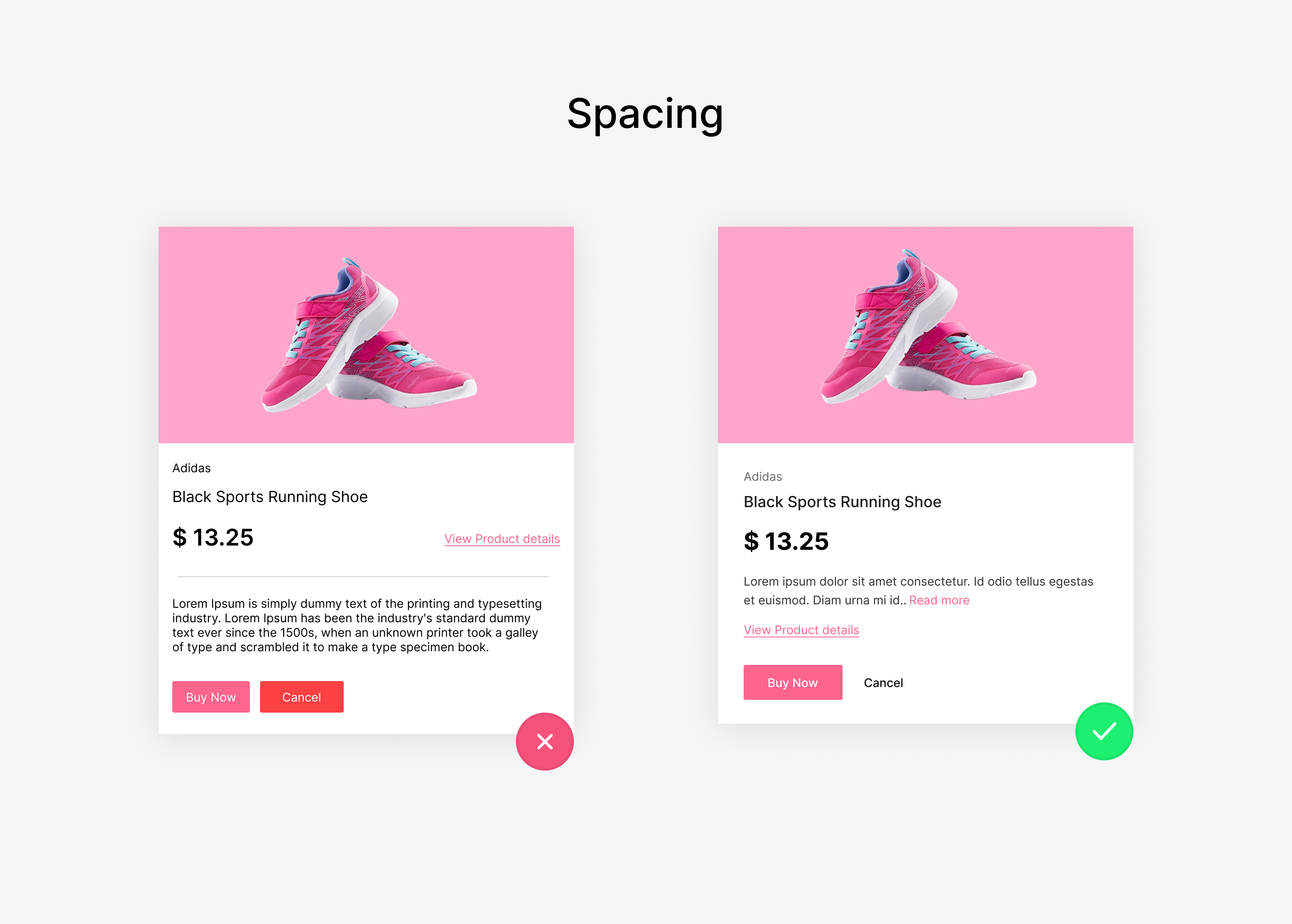
Another mistake in my early designs? Filling every space with elements. I believed more content meant a richer design. But over time, I discovered that white space (negative space) is not empty space—it’s breathing room for design. It directs attention, improves readability, and enhances the user’s focus. Apple’s designs, for example, use white space masterfully, making every detail feel intentional and sophisticated.
Function Before Aesthetics: The Role of UX Thinking
One major shift in my mindset was understanding that design isn’t just about visuals—it’s about experience. A well-designed interface that looks beautiful but confuses users is a failure. I started prioritizing:
- User Flow: How does a person navigate through the design?
- Accessibility: Can someone with vision impairment still use this?
- Consistency: Does every element align with a unified style?
Once I embraced these concepts, my designs stopped being just images on a screen and became intuitive experiences.
Final Thoughts: Your Growth Depends on Your Curiosity
- Continuous learning is key: Restricting your design education to work hours limits your understanding of fundamental principles. Inspiration often strikes outside of structured time, and avoiding challenges beyond your assigned tasks hinders your development.
- Embrace lifelong learning: Growth in design requires more than just clocking in and out. Seek inspiration beyond your desk and push yourself beyond the expected to truly advance.
- Cultivate a designer's mindset: True design growth comes from constant exploration. Don't confine yourself to set hours, be open to inspiration anytime, and always seek new challenges.
- Design is a continuous journey: Limiting your learning, ignoring spontaneous inspiration, and avoiding challenges will stifle your progress. Embrace a mindset of constant growth.
Looking back at my first design, I still hear an inner voice—not of self-criticism, but of inspiration. It reminds me of where I started and pushes me forward. I’m still learning, still refining, and still growing.
